 Skip to content
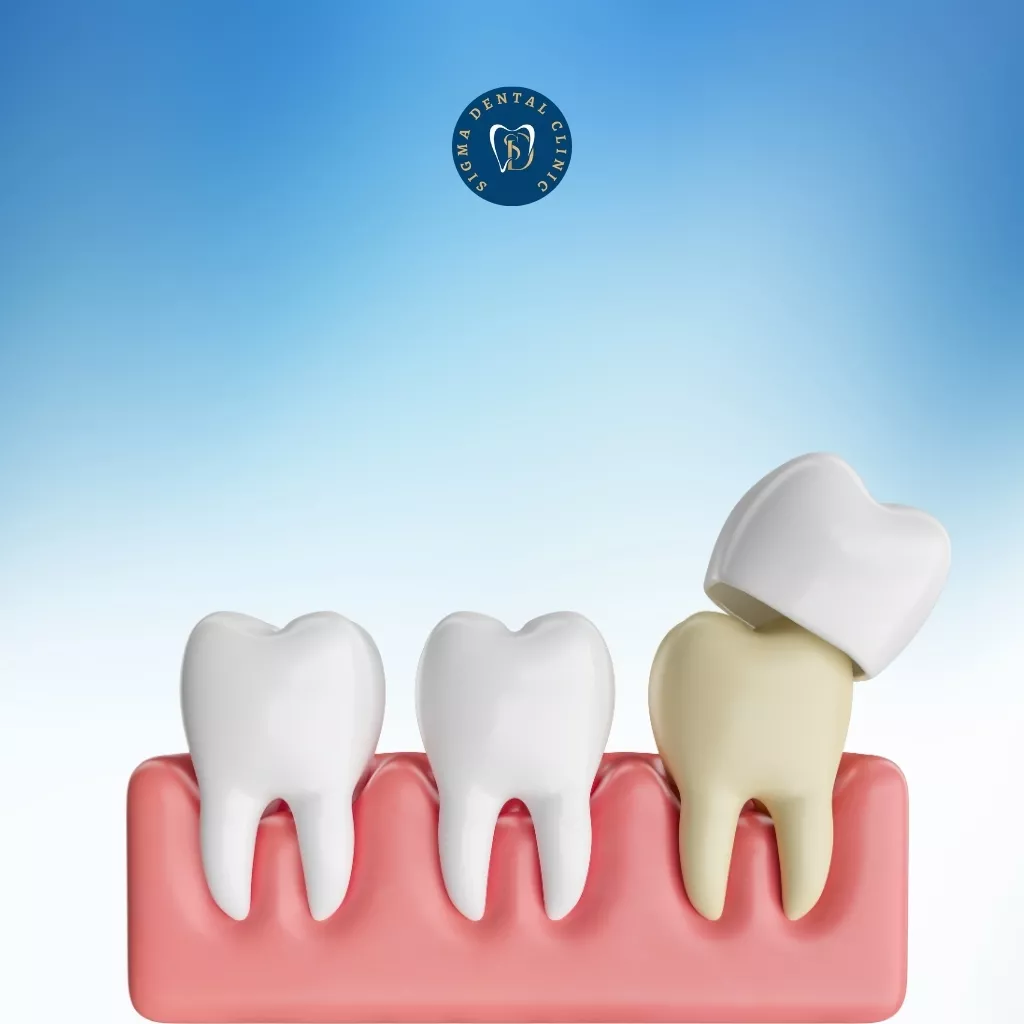
A dental crown is one of the most effective ways to restore a damaged tooth, protect it from further decay, and maintain a natural, confident smile. Whether you have just received a new crown or have worn one for years, knowing how to care for it properly will determine how long it lasts and how healthy your mouth remains. This comprehensive guide explains how to care for a dental crown, what to expect after treatment, and the best practices for long-term maintenance.
What are Dental Crowns?
A dental crown, sometimes called a “tooth cap,” is a custom-made covering placed over a damaged, decayed, or root canal–treated tooth. It restores the tooth’s shape, size, strength, and appearance. Crowns can be made from porcelain, ceramic, metal, or a combination of materials. They are commonly used after large fillings, root canals, or fractures that weaken the tooth structure.
Your dentist first prepares the tooth, removes any decay, and takes impressions to ensure the crown fits perfectly. A temporary crown may be placed before the permanent crown is cemented in position. Once your permanent crown is bonded, you can eat, talk, and smile comfortably again.
What to Expect After Getting a New Crown?
When you receive a new dental crown, mild sensitivity or discomfort around the gums or tooth is normal for a few days. You may notice a slightly different bite or texture compared to your natural teeth. During this adjustment period, avoid sticky or hard foods and chew on the opposite side if possible.
If you experience pain when biting or persistent soreness after a few days, contact your dentist to ensure the crown is fitting correctly. Early care and patience during this stage help ensure that your crown settles securely and functions like a natural tooth.
How to Take Care of a Crown Tooth?
Caring for a dental crown in Chicago is much like caring for a natural tooth, but with a few extra precautions. Proper daily care helps prevent gum disease, decay around the crown margin, and other issues that can shorten the crown’s lifespan.
Brushing
Brush your teeth at least twice a day with a soft-bristle toothbrush and a fluoride toothpaste. Pay special attention to the area where the crown meets the gum line, as plaque can accumulate there. Use gentle, circular motions rather than aggressive scrubbing to avoid damaging the margins.
Flossing
Floss daily to remove plaque and food particles between the crown and adjacent teeth. Slide the floss carefully under the edge of the crown instead of snapping it up and down. You can also use interdental brushes or water flossers to clean around the crown if traditional floss feels uncomfortable.
Mouthwash
Use a non-alcoholic mouthwash to reduce bacteria and strengthen enamel. Alcohol-based rinses can weaken the bonding material over time. A fluoride or antimicrobial rinse helps maintain gum health and protects the crown margins from decay.
Can You Brush After Getting a Permanent Crown?
Yes, you can brush your teeth after receiving a permanent crown. In fact, it is encouraged. However, brush gently around the treated tooth for the first 24 hours to avoid irritating the gums. Use a soft-bristled toothbrush and avoid whitening or abrasive toothpaste, as these could scratch porcelain crowns.
Best Mouthwash for Dental Crowns
The best mouthwash for crowns is one that supports gum health without harming the crown’s material. Alcohol-free mouthwashes containing fluoride or antibacterial agents are ideal. These help reduce bacteria while keeping the adhesive and ceramic materials intact. Some good options include chlorhexidine-based rinses or fluoride rinses recommended by your dentist.
Foods and Habits to Avoid After Getting a Crown
Avoid hard foods such as ice, nuts, and hard candy, as these can crack or dislodge your crown. Sticky foods like caramel, chewing gum, or toffee can also pull at the crown edges and weaken the cement. If you grind your teeth at night, ask your dentist for a night guard to protect your crowns and natural teeth.
Do not use your crowned tooth to open bottles or tear packaging. These habits can chip porcelain and damage both the crown and your natural tooth structure.
Smoking and Dental Crowns
Smoking affects both the appearance and longevity of dental crowns. The tar and nicotine in cigarettes can discolor crowns and stain the surrounding teeth, creating a mismatch. Smoking also weakens the gums and increases the risk of gum disease, which can cause the crown’s foundation to deteriorate. If quitting is difficult, reduce smoking frequency and maintain strict oral hygiene with brushing, flossing, and regular professional cleanings.

How to Clean a Dental Crown?
To keep your crown and surrounding teeth clean, follow these steps:
- Brush twice daily using a fluoride toothpaste and soft brush.
- Floss carefully between the crown and neighboring teeth.
- Rinse with an alcohol-free mouthwash to control bacteria.
- Visit your dentist every six months for professional cleaning and inspection.
Consistent cleaning not only preserves the crown but also maintains the health of your entire mouth.
How to Get Something Out That Is Stuck Under a Crown
If food gets trapped under or around your crown, gently use dental floss or a water flosser to remove it. Move the floss carefully to avoid loosening the crown. Never use sharp objects such as toothpicks or pins. If discomfort persists or debris cannot be removed, contact your dentist immediately. Persistent food entrapment may indicate a poor crown fit or gum recession.
Wearing a Crown and Getting Used to It
Wearing a crown may feel slightly unusual at first, especially if it changes your bite. Most people adjust within a few days. If your bite feels high or uncomfortable, your dentist can make small adjustments to the crown’s shape. A properly fitted crown should feel natural and comfortable when you bite, chew, or speak.
Long-Term Dental Crown Maintenance
Routine dental visits are essential for maintaining crown health. During checkups, your dentist will examine the crown margins, surrounding gums, and supporting tooth structure. Early detection of wear, cracks, or cement breakdown can prevent costly repairs later.
Crowns generally last between 10 and 15 years, but excellent home care and professional maintenance can extend their life beyond 20 years. Maintain a balanced diet, avoid excessive sugar intake, and keep your gums healthy to protect both your crown and natural teeth.
What Not to Do After Getting a Crown
After receiving a crown, do not chew hard foods immediately, skip oral hygiene, or grind your teeth unconsciously. Avoid habits such as nail-biting and using your teeth as tools. These small actions can shorten the lifespan of even the strongest crowns.
When to Replace a Crown
Crowns naturally wear down or loosen over time due to aging, biting pressure, or gum recession. Common signs that a crown may need replacement include persistent pain, visible cracks, discoloration, or a feeling that the crown shifts when touched. In some cases, decay can develop beneath the crown if the seal weakens.
At Sigma Dental Clinic in Chicago, Illinois, Dr. Sepi Dashti and her team specialize in evaluating and replacing worn or damaged crowns with precision and care. Regular dental examinations allow Dr. Dashti to assess the integrity of your crown and detect early signs of failure before they compromise the underlying tooth structure. Early replacement helps maintain both the function and appearance of your smile for years to come.
Conclusion
Learning how to take care of a dental crown is essential for keeping your restored tooth strong, comfortable, and attractive for years. Proper brushing, flossing, and the use of gentle, alcohol-free mouthwash protect both the crown and the natural tooth beneath it. Avoid harmful habits, schedule routine dental checkups, and address small issues quickly before they become major problems. With consistent dental crown care and maintenance, your smile will stay healthy, confident, and lasting.


